
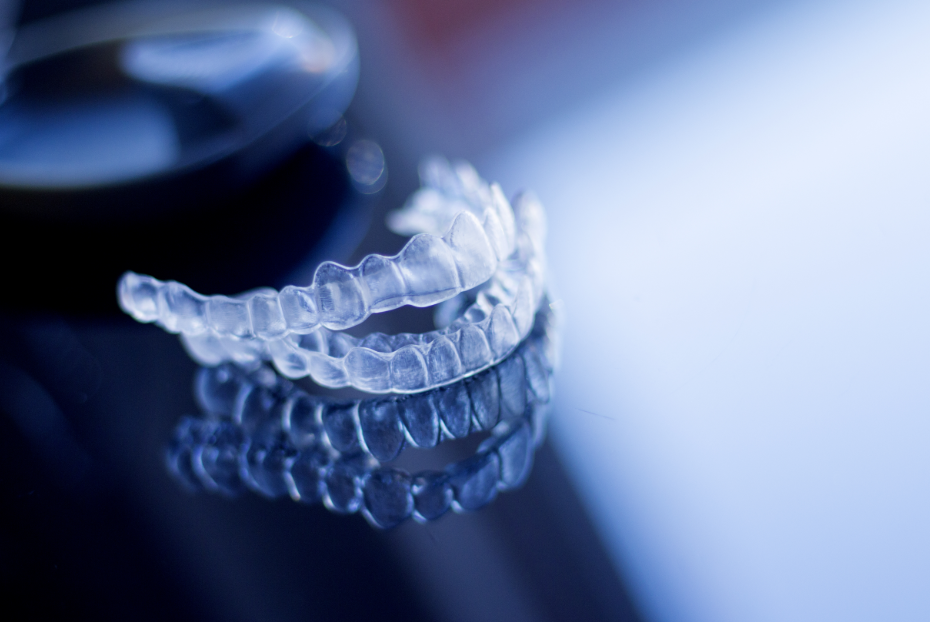
If you’re considering Invisalign, you may have questions about more than just how your teeth will look. You might also wonder, “Will I still sound like myself?” Since Invisalign aligners sit directly over your teeth, it’s understandable to wonder whether they could affect the way you talk.
The reassuring news is that while some people notice a temporary change in their speech when they first begin wearing clear aligners, most adapt as their mouth and tongue get used to the trays. Speech changes can occur with clear aligners, but they generally improve as patients adjust.
Why Can Invisalign Affect Speech?
Speaking involves a surprisingly precise interaction between your tongue, teeth, lips, and the spaces inside your mouth. Your tongue has learned exactly where to move to produce different sounds, so introducing a thin layer of plastic can require a little adjustment.
Invisalign aligners fit snugly over your teeth, which slightly changes the surfaces your tongue encounters. This can temporarily affect the way certain sounds are formed, particularly sounds such as “s,” “z,” “sh,” “th,” and “ch.”
For some people, this may result in a slight lisp or speech that sounds a little different than usual.
How Long Will the Changes Last?
There’s no exact timeline because everyone adapts differently. Some people notice that their speech feels normal again after just a few days, while others need a week or two to become comfortable. Most patients adjust to their normal speech relatively quickly, although a smaller number may experience changes for longer.
You may also notice a brief adjustment period each time you switch to a new set of aligners. Fortunately, your tongue has already learned how to adapt to the presence of an aligner, so subsequent adjustments may feel more familiar.
How Can You Get Used to Speaking with Invisalign?
The best thing you can do is practice speaking while wearing your aligners. It might feel strange at first, but talking gives your tongue an opportunity to learn how to work around the trays.
Try reading aloud, having conversations with friends or family, or practicing a presentation if you have an upcoming meeting or speech. You can even read a few pages of a book aloud each day. The more you speak, the more comfortable the aligners are likely to feel.
It can also help to slow down slightly and focus on clearly pronouncing words while you’re adjusting. There’s no need to force your speech, though. With time, speaking with your aligners should become much more natural.
What If My Speech Doesn’t Improve?
If a noticeable speech change continues or you feel like your aligners are interfering with your ability to speak comfortably, let your dentist or orthodontic provider know. An aligner that isn’t fitting correctly may need to be evaluated.
It’s also worth remembering that your experience may be different from someone else’s. Some people barely notice a difference, while others experience a more noticeable adjustment period. Your dental professional can help you determine whether what you’re experiencing is part of the normal adaptation process.
Ultimately, a temporary change in speech is usually a small part of the Invisalign experience. With a little patience and plenty of practice, your aligners can become just another normal part of your daily routine.
About the Practice
Paraiso Family Dental’s mission is helping patients achieve healthy, attractive smiles through personalized dental care. Its services include Invisalign and other cosmetic and restorative treatments designed to address both functional and aesthetic concerns.
Dr. Gary Chaffee takes an individualized approach to treatment, helping patients understand their options and feel comfortable throughout the process of improving their smiles.
Call us at (805) 480-0033 or schedule your appointment online